
Oct
Uncategorized
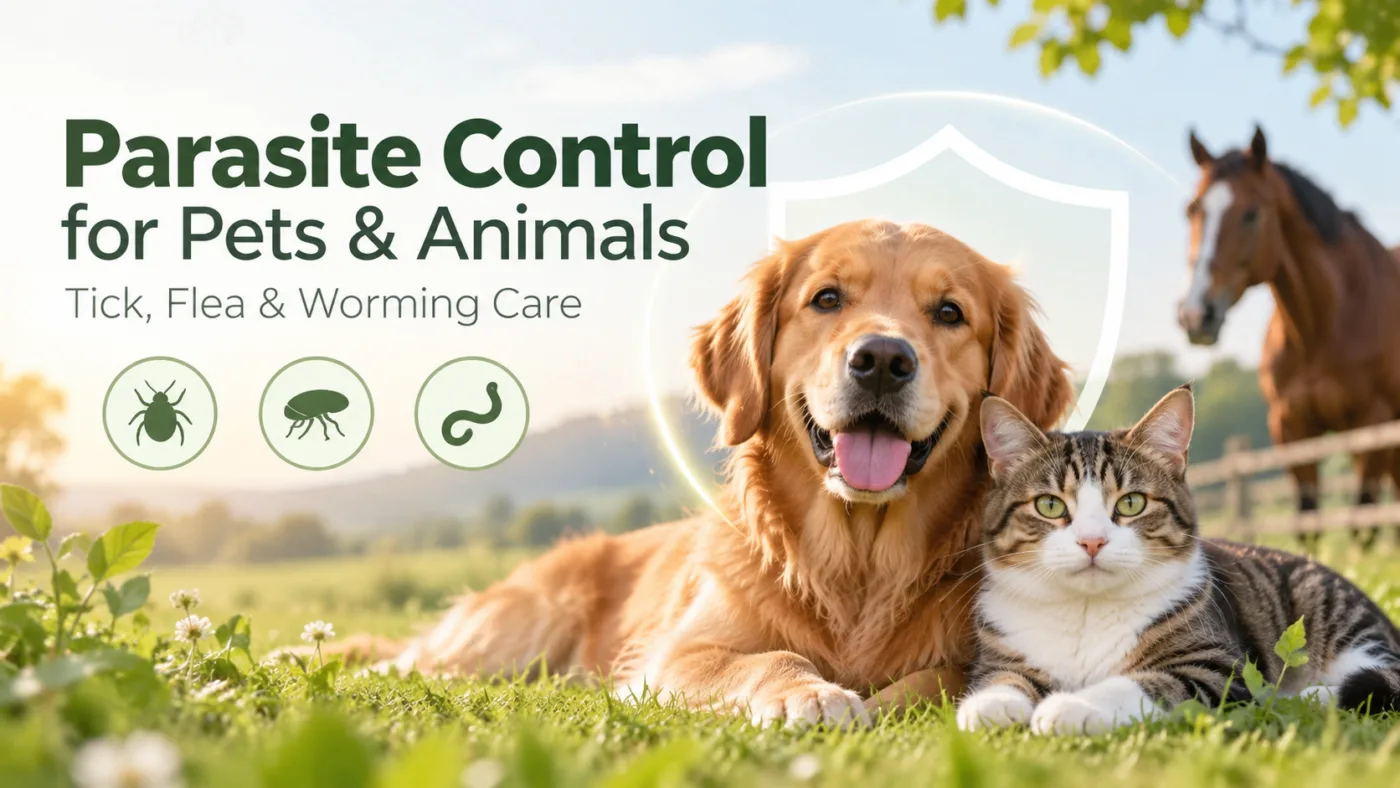
Parasite Control for Pets & Animals in South Africa
Parasite Control for Pets & Animals in South Africa
Tick, Flea & Worming Care for Dogs, Cats, Horses and Other Animals
Tiny troublemakers, big headaches. Fleas, ticks and worms might be small, but they can create serious problems for our four-legged friends.
Whether your dog spends weekends exploring the bush, your cat prefers the comfort of the couch, or you care for horses and other farm animals, understanding parasite control is an important part of responsible animal care.
At Keen Pets, we believe caring for animals should be straightforward. This guide explains common external and internal parasites, what to consider when choosing products, and why a consistent, species-appropriate care routine matters.
Explore parasite control at Keen Pets:
What Are Parasites, and Why Should Pet Owners Care?
Parasites are organisms that live on or inside another animal and obtain nourishment from their host.
In dogs, cats and other animals, parasites generally fall into two groups.
External Parasites: Fleas, Ticks, Mites and Lice
External parasites live on the animal’s skin or coat. Some feed on blood, while others affect the skin, hair or ears.
Fleas are particularly troublesome because they reproduce quickly. They can cause itching, irritation and allergic skin reactions. Some animals develop flea allergy dermatitis, where even a small number of flea bites can cause significant discomfort.
Ticks attach to animals and feed on their blood. Certain tick species can also transmit infectious organisms. In South Africa, tick-associated illnesses such as babesiosis and ehrlichiosis are important veterinary concerns.
Mites and lice may cause itching, hair loss, skin irritation or other problems depending on the species involved.
Not every itchy pet has parasites, though. Allergies, infections and other conditions can produce similar signs. Persistent itching or skin changes deserve veterinary attention.
Internal Parasites: Understanding Worming
Internal parasites live inside the animal, commonly in the digestive system.
Dogs and cats may encounter intestinal parasites such as roundworms, hookworms, whipworms and tapeworms. Different parasites have different life cycles, routes of infection and health effects.
Some infections produce noticeable symptoms, while others may be present without obvious signs.
Possible signs that warrant investigation include:
-
Changes in appetite or body condition
-
Digestive upset or changes in stools
-
A swollen or uncomfortable abdomen
-
Poor coat condition
-
Visible worm segments in faeces or around the tail
These signs are not specific to worms. A veterinarian may recommend a faecal examination or another diagnostic test to identify the problem and guide an appropriate control programme.
Did You Know? Fleas and Tapeworms Can Be Connected
According to the US Centers for Disease Control and Prevention, dogs and cats can acquire a common type of tapeworm by swallowing an infected flea, often while grooming.
This is one reason flea management and intestinal parasite control should be considered together.
The takeaway: A good parasite-care routine looks at the whole animal and its environment rather than focusing on one pest at a time.
Tick and Flea Control for Dogs in South Africa
From suburban gardens to farms, hiking trails and the Lowveld bush, dogs can encounter fleas and ticks in a variety of environments.
There is no single approach that suits every dog. The most appropriate choice depends on factors such as age, weight, lifestyle, existing health conditions and the parasites present in the area.
Common product formats include:
Chewable Options
Some parasite-control products are supplied as oral chews. These may be convenient for dogs that dislike topical applications. Coverage and duration vary by product, so pet owners should check the registered label and seek veterinary advice.
Spot-On Applications
Spot-on products are applied to the skin according to the manufacturer’s directions. Different formulations target different parasites and have different application intervals.
Parasite-Control Collars
Certain collars offer ongoing external parasite control over a specified period. Correct fitting, the appropriate animal species and the manufacturer’s instructions are important considerations.
Shampoos and Grooming Products
Some shampoos are designed to help manage external parasites as part of a wider care routine. They should not automatically be regarded as a replacement for longer-term parasite control.
Looking for dog parasite-care products?
Explore Dog Tick, Flea & Worming Products at Keen Pets
Flea, Tick and Worming Care for Cats
Cats have different needs from dogs, even when they live in the same household.
Indoor cats are not necessarily free from parasite exposure. Fleas may enter homes on other animals, while cats that spend time outdoors, hunt or interact with other animals can have additional exposure risks.
When selecting parasite-control products for cats, check the intended species, age restrictions, weight range and instructions carefully.
Important safety reminder: Never apply a dog-only flea or tick product to a cat. Certain ingredients used in dog products can cause life-threatening poisoning in cats.
If your cat has been exposed to an unsuitable product, seek veterinary assistance immediately.
Explore Cat Tick, Flea & Worming Products at Keen Pets
How Often Should Dogs and Cats Be Wormed?
There is no single worming schedule that is ideal for every animal.
The European Scientific Counsel Companion Animal Parasites (ESCCAP) recommends considering each pet’s individual circumstances when developing a worm-control programme.
Factors include the animal’s age, living environment, hunting behaviour, diet, contact with other animals and local parasite risks.
Puppies and kittens have different requirements from healthy adult animals. Pets with greater exposure may need a different approach from animals with a lower risk of infection.
Veterinarians may recommend scheduled worming, routine faecal testing or a combination of the two.
The safest approach is to follow professional advice and the instructions for the particular product rather than assuming that every animal needs the same routine.
Parasite Control for Horses
Horses face their own parasite challenges, particularly where grazing and shared pasture are involved.
Internal parasite management is an important part of equine care, but modern veterinary recommendations advise against relying entirely on frequent, fixed-interval worming without considering parasite risk.
The American Association of Equine Practitioners recommends using faecal egg counts and other veterinary assessments to help guide parasite-control decisions and reduce unnecessary treatment.
Good pasture management, appropriate hygiene and veterinary monitoring can also contribute to an effective programme.
Horses may additionally experience problems with flies, ticks and other biting insects, making external parasite management an important part of their care.
Explore equine care:
Horse Fly, Tick & Insect Control
Parasite Management for Farm Animals and Birds
Parasite-control needs vary considerably between animal species.
Cattle, sheep, goats, poultry and other farm animals can encounter different internal and external parasites depending on their environment, management practices and exposure.
For livestock, additional considerations may include product registration for the intended species, production status, veterinary advice and applicable withdrawal periods for meat, milk or eggs.
Birds also require species-appropriate care. A product intended for a dog, chicken or other animal should never be assumed suitable for a pet bird.
Successful parasite management may involve regular monitoring, good hygiene, suitable housing, environmental care and products specifically approved for the animals concerned.
Explore Farm & Livestock Parasite Control
Explore Bird Parasite Control & Worming
Don’t Forget the Home Environment
Treating an animal is only one part of managing a flea problem.
Flea eggs and developing stages may be present in carpets, bedding, furniture and other places where pets spend time.
The MSD Veterinary Manual explains that established flea infestations can take time to bring under control, particularly where immature fleas remain in the environment.
Practical household measures include:
-
Vacuuming carpets, rugs and areas where pets rest
-
Washing pet bedding regularly
-
Keeping sleeping areas clean
-
Checking all household pets for signs of fleas
-
Following veterinary guidance for ongoing flea management
Environmental products must be used only where their labels permit, with special care around cats, birds, fish and other sensitive animals.
A clean home and a suitable parasite-control plan work together to reduce the likelihood of recurring problems.
Choosing the Right Parasite-Control Product
Before selecting a product, consider these questions.
1. Which animal is it for?
A dog, cat, horse, bird and farm animal may require completely different products.
2. What type of parasite is involved?
A product intended for fleas does not necessarily cover ticks, mites or intestinal worms.
3. What is the animal’s age and weight?
Many products have minimum-age, body-weight or other restrictions.
4. Does the animal have a medical condition?
Pregnancy, nursing, existing illness, previous adverse reactions and a history of seizures may affect product suitability.
5. What does the product label say?
Always check the registered indications, application instructions, precautions and required intervals.
If you’re uncertain which approach is suitable, your veterinarian is the best person to guide you.
Frequently Asked Questions About Parasite Control
Can an indoor cat get fleas?
Yes. Although indoor living may reduce some exposure, fleas can still enter the home on other animals or through the surrounding environment.
Do dogs need tick checks if they already use a parasite-control product?
Yes. Checking your dog’s coat and skin after outdoor activities remains good practice. No product should be assumed to prevent every tick from attaching or every tick-borne infection.
Can one product cover fleas, ticks and worms?
Some products have broader parasite coverage than others, but coverage is never universal. Check the individual product’s registered indications rather than assuming it controls every parasite.
Is worming only necessary when worms are visible?
No. Internal parasites may be present without visible worms or obvious symptoms. Veterinary advice and appropriate testing can help determine the animal’s needs.
Can I use the same parasite-control product on my dog and cat?
Only if the product is specifically authorised for both species and used according to the relevant instructions. Never use a dog-only product on a cat.
When should I contact a veterinarian?
Seek prompt veterinary advice if your pet develops unusual tiredness, fever, pale gums, persistent vomiting, diarrhoea, significant skin irritation or other concerning symptoms. Some tick-associated illnesses and heavy parasite infestations can require urgent veterinary care.
Shop Parasite Control at Keen Pets
At Keen Pets, we stock a selection of animal-care and parasite-control products for different species and needs.
We’re a South African online pet store based in Nelspruit, Mpumalanga, delivering to customers across the country.
Whether you’re shopping for your family pets, caring for horses or managing animals on a farm, explore our categories to find products suited to your needs.
Browse the Keen Pets parasite-control range and choose with confidence.
Shop Farm & Livestock Parasite Control
Veterinary References and Further Reading
This guide draws on published guidance from the following organisations:
Important: This article is for general educational purposes and does not replace veterinary diagnosis or advice. Always follow approved product labels and applicable South African regulations. Product suitability, availability and legal supply requirements vary.
